

Contact us
E.mail : infos@eyecare.com
Address : 1 Dmshek,Maadi, Cairo
Eye Care : Sat. - Thu. 9:00am - 10:00pm

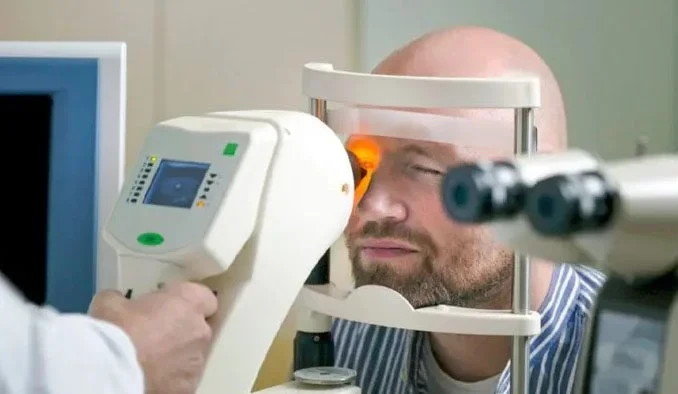
Vitreoretinal clinic – Diabetic Retinopathy unit
Vitreoretinal & Diabetic Retinopathy Clinic
About the Clinic
The Vitreoretinal & Diabetic Retinopathy Clinic at Eye Care Center specializes in the diagnosis, monitoring, and treatment of diseases affecting the retina and vitreous, including diabetic and hypertensive retinopathy, macular disorders, retinal tears and detachment, and other conditions that may affect vision.
The clinic is supported by a team of specialized ophthalmology consultants and professors experienced in retinal and vitreoretinal diseases, providing thorough assessments and individualized treatment plans.
Depending on the diagnosis and the patient's condition, treatment may include intravitreal injections, retinal laser therapy, or vitreoretinal surgery.
Conditions We Treat
The clinic provides evaluation, treatment, and follow-up for a wide range of retinal and vitreous conditions, including:
-
Diabetic Retinopathy: Damage to the retinal blood vessels caused by diabetes, which may lead to retinal bleeding, macular edema, and vision loss.
-
Hypertensive Retinopathy: Changes in the retinal blood vessels associated with high blood pressure.
-
Age-Related Macular Degeneration (AMD): A condition affecting the macula, the central part of the retina responsible for detailed central vision.
-
Inherited and Genetic Retinal Diseases: Including retinitis pigmentosa and Stargardt disease.
-
Posterior Vitreous Detachment (PVD): An age-related change that may cause floaters or flashes of light and can sometimes be associated with retinal tears.
-
Retinal Tears and Retinal Detachment: Conditions that require prompt assessment to determine the appropriate treatment and help preserve vision.
-
Macular Hole: A small opening in the macula that may affect central vision.
-
Epiretinal Membrane (Macular Pucker): A thin membrane that forms on the retinal surface and may cause blurred or distorted vision.
-
Macular Disorders: Conditions affecting the central retina and its ability to provide detailed vision.
-
Traumatic Retinal Conditions: Retinal damage resulting from eye injuries or foreign bodies.
-
Inflammatory and Immune-Related Retinal Diseases: Including certain conditions associated with ocular inflammation, such as uveitis.
Treatment and Surgical Procedures
Treatment is selected according to the diagnosis, severity, and individual needs of each patient. Available treatment approaches may include:
-
Intravitreal Injections: Including anti-vascular endothelial growth factor (Anti-VEGF) medications, used in selected conditions such as diabetic macular edema and wet age-related macular degeneration.
-
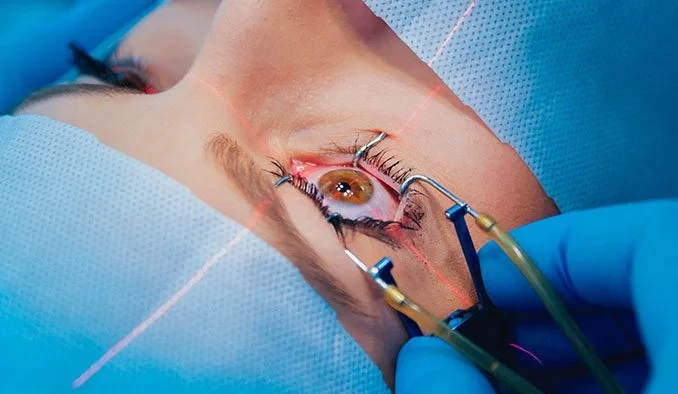
Retinal Laser Therapy: Used to treat selected retinal conditions and abnormal blood vessel changes, and to help reduce the risk of complications.
-
Vitreoretinal Surgery (Vitrectomy): A surgical procedure involving removal of the vitreous gel, which may be required in cases such as vitreous hemorrhage, macular holes, and certain types of retinal detachment.
-
Retinal Detachment Repair: Surgical procedures selected according to the type, location, and extent of retinal detachment.
-
Other Specialized Treatments: Depending on the underlying condition and the findings of the clinical assessment.
Not all retinal conditions require surgery. Some may be managed through regular monitoring, intravitreal injections, or laser treatment, while others may require surgical intervention.
When Should You See a Retina Specialist?
Certain symptoms may indicate a retinal problem requiring urgent medical assessment, including:
-
Sudden flashes of light.
-
A sudden increase in floaters or dark spots in your vision.
-
A shadow or curtain-like effect across part of your visual field.
-
Sudden reduction in vision.
-
New distortion of straight lines or shapes.
These symptoms may be associated with a retinal tear, retinal detachment, or another condition requiring prompt attention. Do not delay seeking medical assessment if they occur.
The Importance of Regular Follow-Up
Regular retinal examinations help detect changes at an early stage, particularly in patients with diabetes or high blood pressure.
Important recommendations include:
-
Follow your ophthalmologist's recommendations for regular retinal and fundus examinations, even if you have no visual symptoms.
-
Maintain blood glucose levels within the targets set by your treating physician.
-
Monitor blood pressure regularly and follow your prescribed treatment.
-
Attend scheduled follow-up appointments and do not miss recommended injection or laser sessions.
-
Seek prompt ophthalmic assessment if you notice any sudden change in your vision.
Early diagnosis and regular follow-up play an important role in managing retinal diseases and preserving vision whenever possible.






Connect Us