

Contact us
E.mail : infos@eyecare.com
Address : 1 Dmshek,Maadi, Cairo
Eye Care : Sat. - Thu. 9:00am - 10:00pm

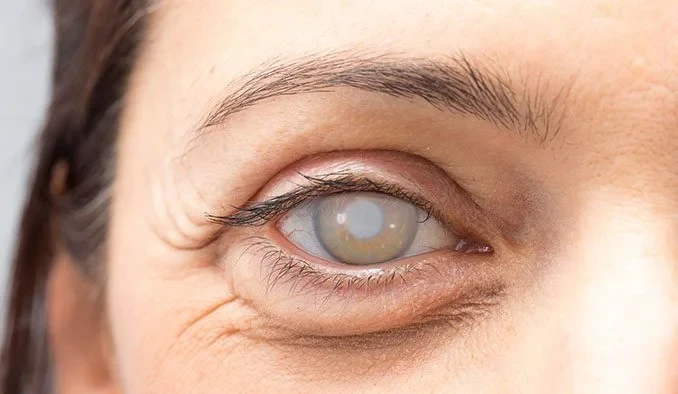
Cataract unit
Cornea Clinic
About the Clinic
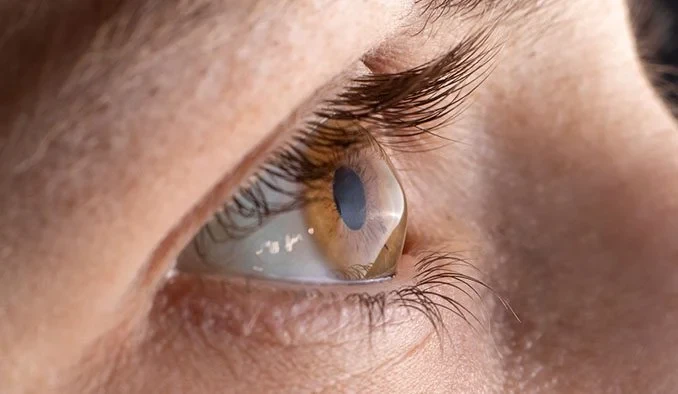
The cornea is the clear, dome-shaped tissue at the front of the eye. It plays an essential role in bending and focusing incoming light, helping the eye produce a clear image.
The Cornea Clinic at Eye Care Center specializes in the diagnosis and management of corneal diseases, ocular surface disorders, and conditions affecting the anterior segment of the eye. Each patient receives an appropriate assessment and an individualized treatment plan based on their condition.
Conditions We Treat
The clinic provides evaluation and treatment for a wide range of corneal conditions, including:
-
Inherited, inflammatory, and immune-related corneal diseases.
-
Keratoconus and other conditions affecting the shape and curvature of the cornea.
-
Corneal ulcers, including those caused by injuries, recurrent ulcers, and ulcers that do not respond adequately to treatment.
-
Corneal infections and conditions associated with contact lens use.
-
Pterygium and other disorders affecting the ocular surface and anterior segment of the eye.
Surgical and Specialized Procedures
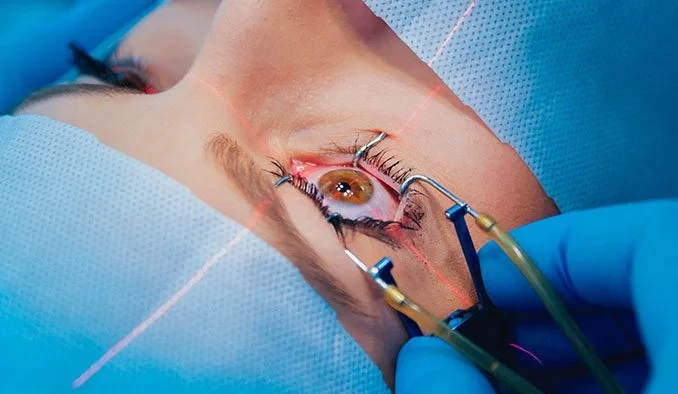
Eye Care Center provides a range of specialized surgical procedures for corneal diseases and conditions affecting the anterior segment of the eye, including:
-
Corneal Transplantation: Including full-thickness (penetrating), anterior lamellar, and endothelial corneal transplantation, depending on the patient's condition and clinical needs.
-
Amniotic Membrane Transplantation: Used in selected cases to support ocular surface healing.
-
Corneal Cross-Linking: A procedure used in suitable cases to help slow or stop the progression of keratoconus.
-
Intracorneal Ring Segment Implantation: Used in selected cases to improve corneal shape and manage certain changes associated with keratoconus.
-
Anterior Segment Reconstruction: Including iris reconstruction in selected cases of eye trauma.
The most appropriate treatment or surgical procedure is determined following a thorough examination and assessment, with the choice of technique tailored to each patient's condition and needs.
Corneal Health and Prevention
Not all corneal diseases can be prevented. However, certain risk factors can be reduced, and early detection can help manage some conditions more effectively.
The following measures can help protect corneal health:
-
Schedule regular eye examinations, particularly for individuals with a family history of corneal disease or other relevant risk factors.
-
Manage eye allergies appropriately and avoid rubbing the eyes.
-
Follow the ophthalmologist's instructions and seek medical advice if new symptoms develop or vision changes.
-
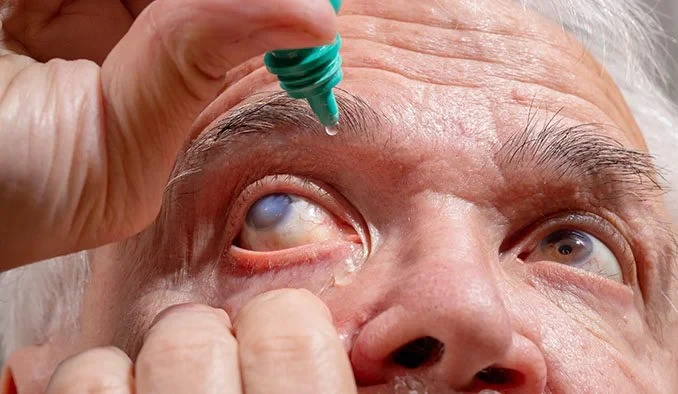
Avoid using eye drops or medications without medical advice, even if they have been used by someone with a similar condition.
-
Maintain proper eye and eyelid hygiene.
-
Follow recommended hygiene practices and instructions for contact lens use, including the recommended wearing and replacement schedules.
-
Use appropriate protective eyewear during sports and activities that may expose the eyes to injury.
-
Wear suitable swimming goggles to help protect the eyes while swimming.
Eye pain, significant redness, sensitivity to light, or sudden changes in vision require prompt medical assessment.






Connect Us