

Contact us
E.mail : infos@eyecare.com
Address : 1 Dmshek,Maadi, Cairo
Eye Care : Sat. - Thu. 9:00am - 10:00pm

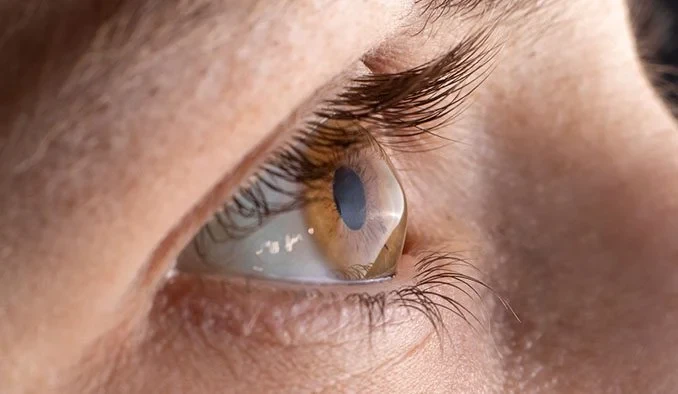
Cornea & external eye diseases unit
Vision Correction Unit
The Vision Correction Unit treats refractive errors such as nearsightedness, farsightedness, and astigmatism through several surgical options. Your consultant will recommend the most suitable one for you after a comprehensive examination. Options include:
- LASIK and Femto LASIK: Reshaping the cornea with a laser to correct vision.
- Surface laser treatment (SmartSurfACE): A touch-free surface treatment with no flap.
- Implantable lenses (ICL and Verisyse): An additional lens placed inside the eye in front of the natural lens, without removing it.
- Refractive lens exchange: Removing the eye’s clear natural lens and implanting a lens matched to the eye.
- Intracorneal rings: For some cases of keratoconus.
To learn more about our advanced LASIK laser (SCHWIND AMARIS 500E), visit the LASIK Clinic page.
Before LASIK
You will talk with your doctor about how the procedure works and what to expect. LASIK aims to reduce your dependence on glasses or contact lenses, but it does not guarantee perfect vision, and you may still need glasses or lenses for some activities such as reading or night driving.
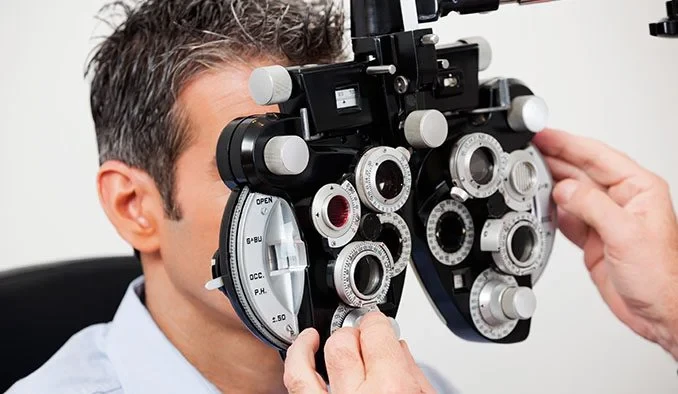
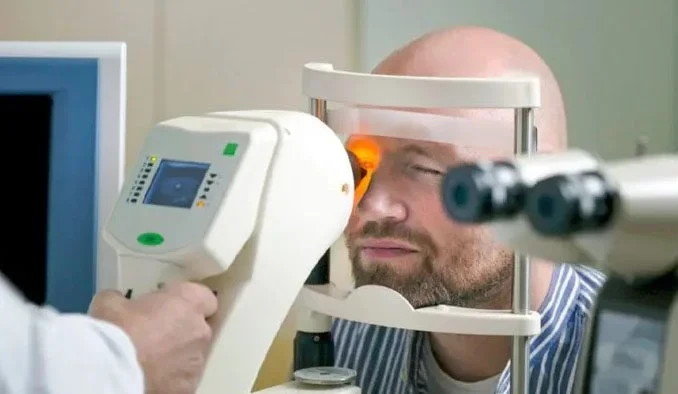
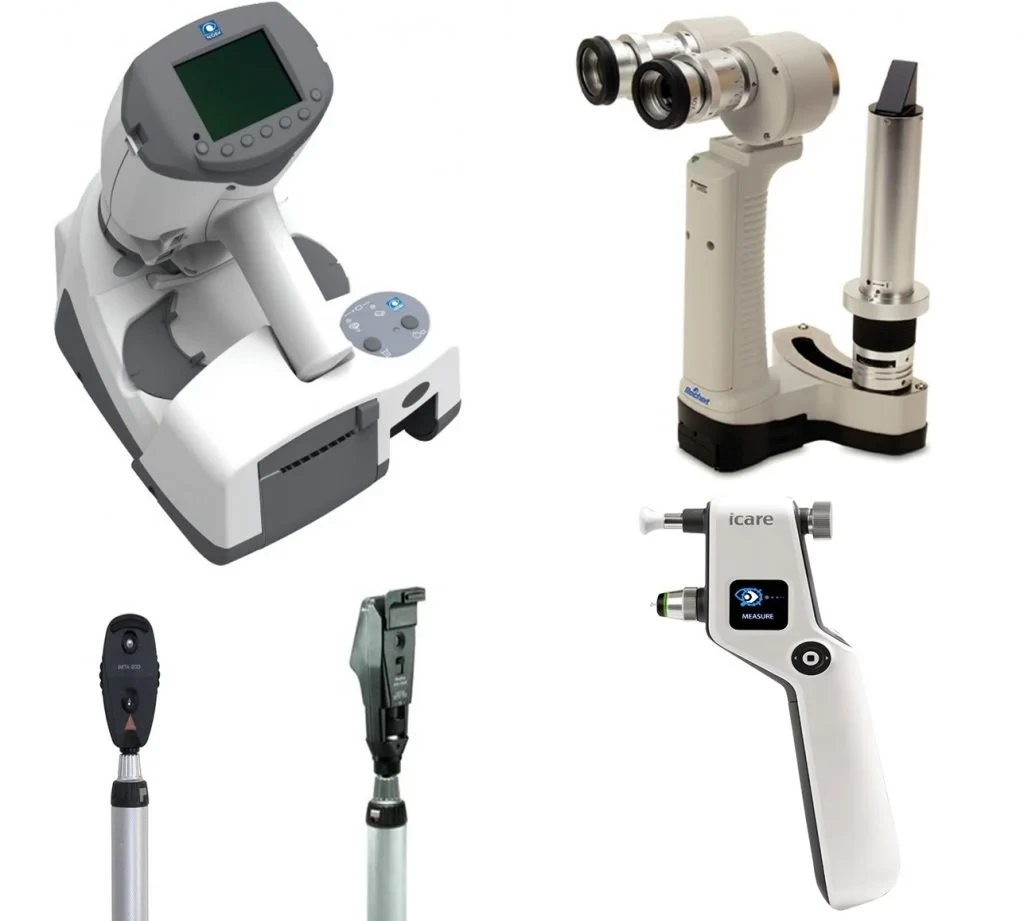
To make sure you are a good candidate, your doctor will run tests that include:
- Measuring your pupil size.
- Measuring the surface and thickness of your cornea.
- Checking the quantity and quality of your tears to detect dry eye.
- Measuring your refractive error.
- Confirming that your vision has been stable and has not changed recently.
- Checking the overall health of your eyes.
Contact lenses: You must stop wearing them before these tests so your doctor gets accurate corneal measurements. The time depends on the type of lens:
- Soft lenses: about two weeks.
- Soft toric lenses: about three weeks.
- Hard lenses: about four weeks.
Your doctor will tell you the right time frame for you.
24 hours before surgery: Avoid perfume, makeup, creams, and lotions around the eyes.
On the day of surgery: Bring a family member or friend to take you home. You will not be allowed to drive afterward.
Will I be asleep during the procedure?
No, you will be awake throughout, with numbing eye drops. You will not feel pain from the laser.
What happens during the procedure?
- Numbing: You lie back and your doctor places numbing drops in your eye. You may feel light pressure but no pain.
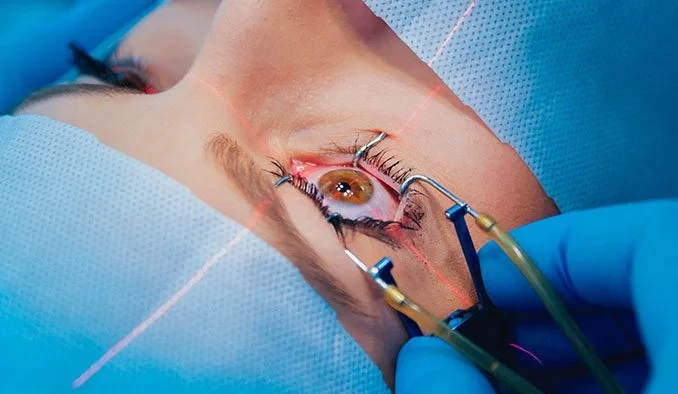
- Holding the eye steady: A gentle holder keeps your eyelids open, and a ring may be used to keep the eye steady. Your vision may dim for a few seconds.
- Preparing the flap: The surgeon creates a very thin flap on the surface of the cornea and gently lifts it.
- Laser reshaping: You look at a fixed light to keep your gaze steady, and the laser reshapes the cornea so light focuses better. You may hear a light clicking sound and notice a faint smell during the laser.
- Repositioning the flap: The doctor places the flap back, and it sticks naturally within minutes.
It is normal to feel nervous about a laser near your eye. LASIK is a well-established procedure performed worldwide, and your doctor will explain its benefits and any possible complications before surgery.
What happens after the procedure?
You may feel itching or burning, a sensation that something is in your eye, blurry vision, glare or halos around lights, and sensitivity to light. These symptoms are temporary and normal.
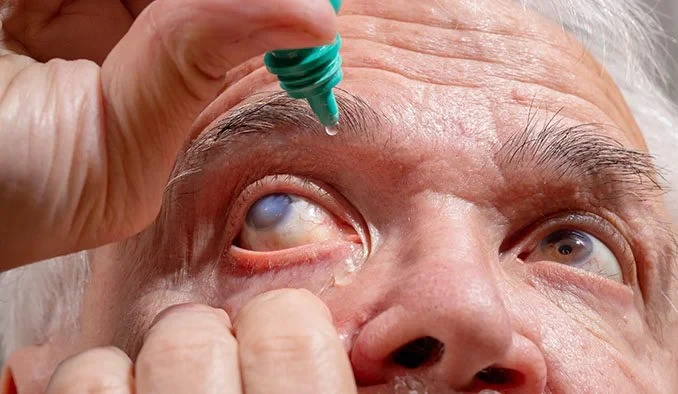
Dry eye is a common effect after LASIK, so your doctor will prescribe lubricating drops, and may add an antibiotic and steroid drops. You may also be asked to wear an eye shield, especially while sleeping, to protect your eye from rubbing while it heals.
You will see your doctor one day after the procedure to check your vision and confirm healing.
Results vary from patient to patient, and the final decision rests with the consultant after examination.







Connect Us